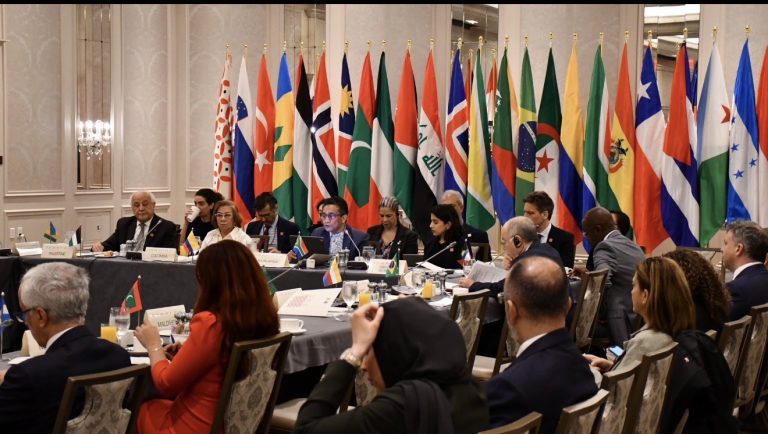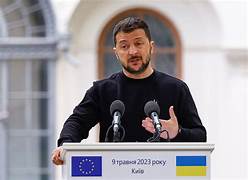
Ukrainian President Volodymyr Zelensky has made a bold call for the creation of a unified “Army of Europe” to combat the growing threats posed by Russia. In a passionate address to European leaders, Zelensky urged the formation of a collective European military force capable of defending the continent from external aggression, particularly in light of the ongoing war in Ukraine.
Zelensky’s proposal comes as the Ukrainian government continues to fight back against Russia’s invasion, and European countries are grappling with how best to respond to the growing security challenges in the region. The Ukrainian president has long argued that Europe must take a more proactive role in its own defence, rather than relying solely on NATO or external powers like the US.
The idea of a European army is not new, but Zelensky’s call has reinvigorated the debate over its feasibility and necessity. While some European leaders have expressed interest in the concept, others remain sceptical, citing concerns about the political and logistical challenges involved in creating a new military force that could rival NATO.
The idea of a European army raises important questions about the future of Europe’s security architecture. Will the European Union seek to strengthen its own military capabilities, or will NATO continue to be the cornerstone of European defence? Zelensky’s call for a unified military force is a clear indication that the war in Ukraine has dramatically altered the landscape of European security, and may signal a shift towards greater military integration within the EU.
About The Author