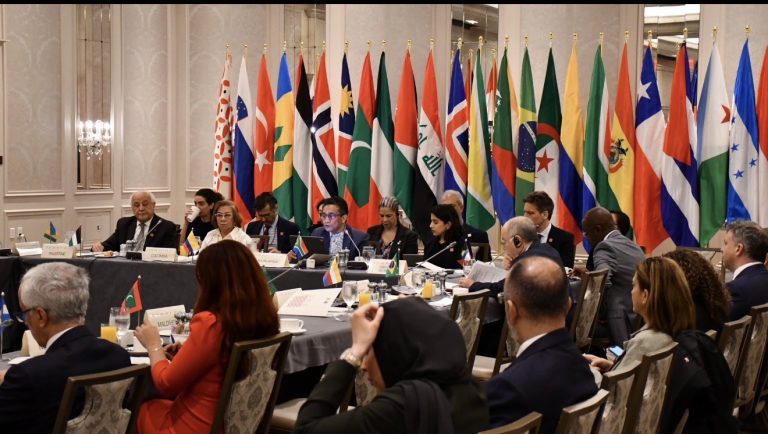
The United States has initiated exploratory talks with the Democratic Republic of Congo (DRC) regarding a potential mineral deal, marking a significant step in strengthening economic and strategic ties between the two nations. The discussions focus on the DRC’s vast mineral resources, particularly those crucial for the global transition to clean energy, including cobalt, lithium, and copper.
The DRC is home to some of the world’s largest deposits of these critical minerals, which are essential for the production of electric vehicle batteries, renewable energy technologies, and other green energy solutions. As the demand for such resources continues to rise due to the global push for sustainability, the US is keen to ensure a steady and ethical supply chain for these minerals, particularly as it seeks to reduce its reliance on China, which has dominated the global supply of critical minerals.
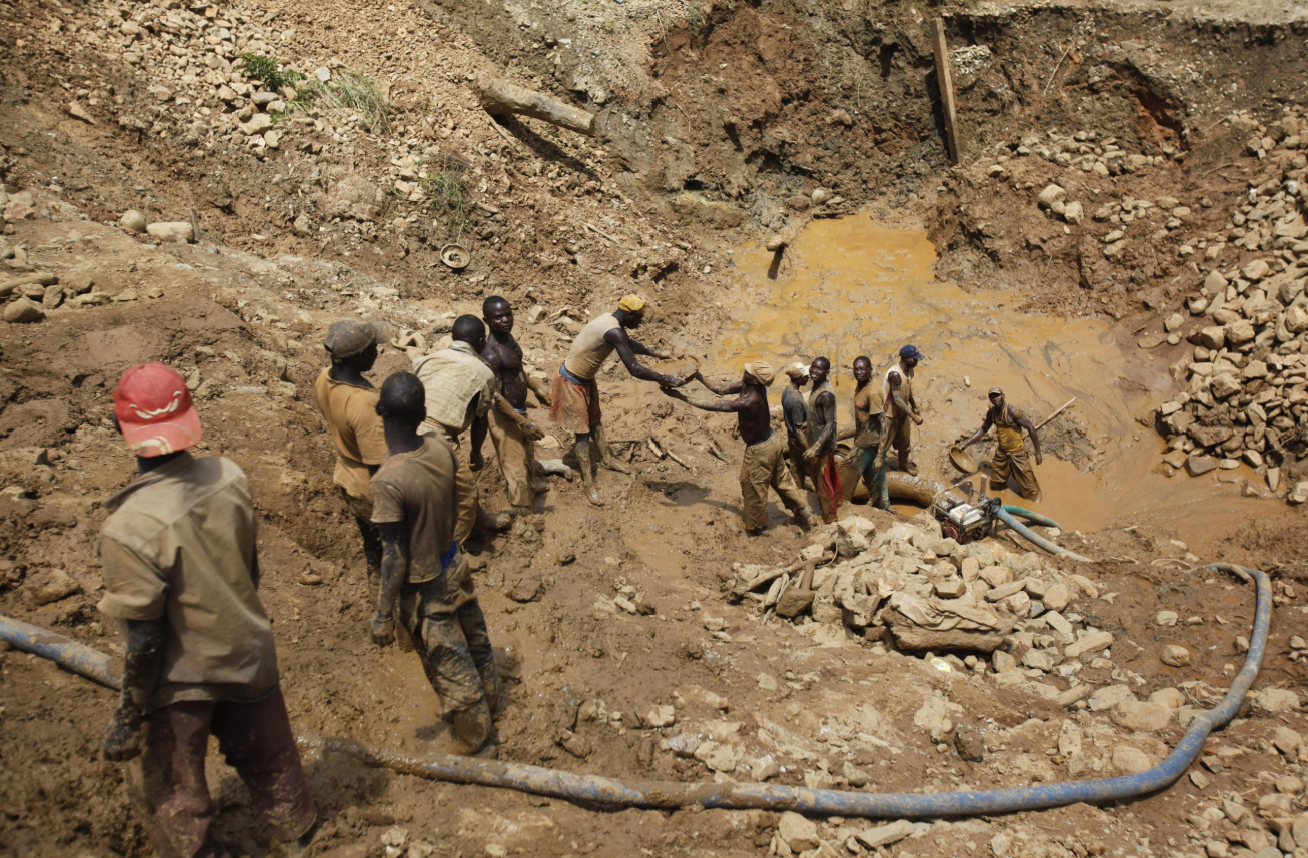
The talks between the US and DRC officials come amid heightened competition for control over the world’s mineral supply chains, with China and other emerging economies seeking to secure access to these resources. The DRC, despite being rich in minerals, has faced challenges related to governance, corruption, and human rights abuses in its mining sector. The US, alongside international partners, is likely to push for more transparency and responsible mining practices as part of any agreement.
While the negotiations are still in their early stages, they signal the growing importance of the DRC in the global economic landscape and the increasing recognition of its role in supporting the green energy transition. For the DRC, the deal could offer significant economic benefits, including investment in infrastructure, improved mining practices, and job creation.
The outcome of these talks could have far-reaching implications not only for US-DRC relations but also for global supply chains and the race to secure the resources needed for the green revolution. The US is expected to proceed cautiously, balancing its economic interests with the need for sustainable development and ethical sourcing in the DRC.
About The Author