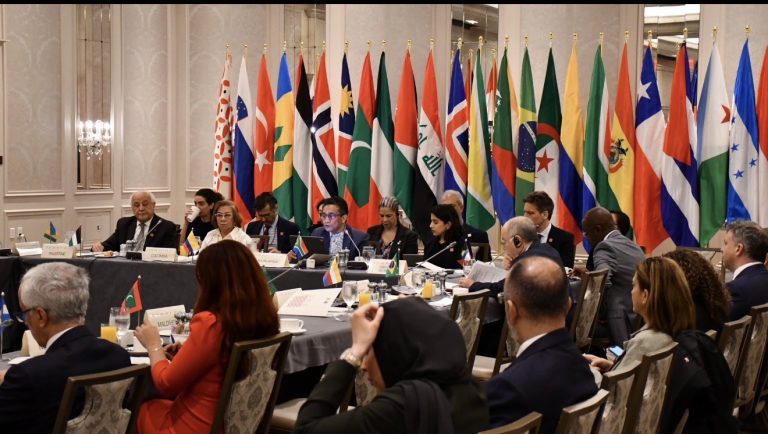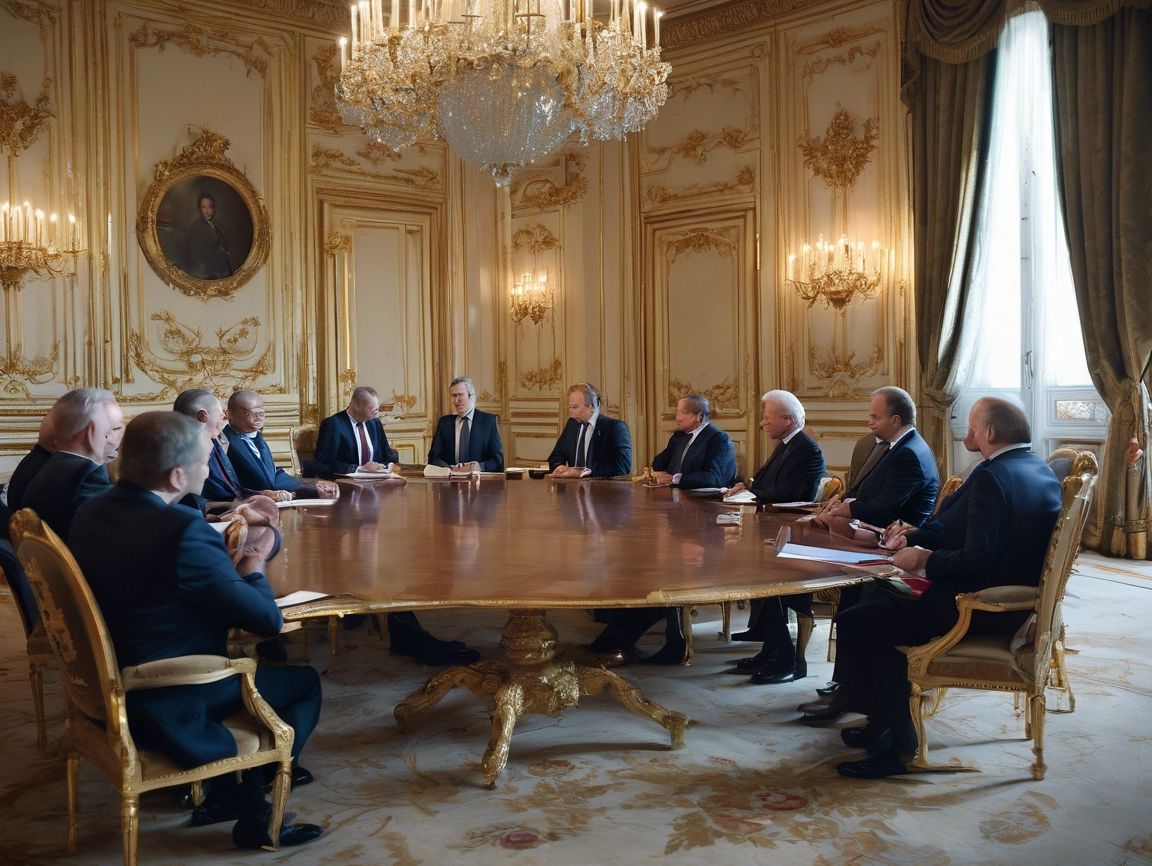
As the war in Ukraine enters another critical phase, European leaders are stepping up their efforts to address the ongoing conflict and its impact on regional security. After the recent Munich Security Conference, which saw key international figures discuss the dire state of global geopolitics and the war’s continued toll on Ukraine, an urgent meeting has been called at the Élysée Palace in Paris to discuss the future of Europe’s “collective security.”
The meeting, convened by French President Emmanuel Macron, is set to bring together top European leaders and officials to evaluate the current security situation in Europe and formulate a unified response to the growing threats posed by Russia’s military actions. With tensions running high and the conflict showing no signs of abating, the urgency of the discussions cannot be overstated. The stakes are incredibly high, as the war not only continues to ravage Ukraine but also raises serious questions about the stability of Europe as a whole.
The key focus of the Élysée summit is expected to be on bolstering Europe’s collective defence mechanisms, particularly in light of the increasing challenges posed by Russian aggression. Macron, along with other European leaders, will look to solidify existing security frameworks such as NATO and the European Union’s defence initiatives, as well as consider new measures to strengthen Europe’s capacity to respond to external threats.
Since the Munich Conference, where world leaders expressed growing concern over the situation in Ukraine, the sense of urgency has only deepened. With the Russian military continuing its offensive in eastern Ukraine and the broader region experiencing increasing instability, the idea of a collective European response has gained greater traction. Many are calling for a more integrated approach, where European countries not only offer direct military support to Ukraine but also engage in a broader strategy to prevent any further escalation of conflict on the continent.
Among the key issues expected to be discussed at the Élysée meeting are the coordination of military aid to Ukraine, the reinforcement of NATO’s eastern flank, and the ongoing threat posed by Russia’s nuclear capabilities. There will also likely be discussions on the need for stronger sanctions against Russia, as well as increased diplomatic efforts to bring the conflict to a negotiated settlement, despite the challenges in achieving meaningful dialogue with Moscow.
The urgency of the situation has prompted a reevaluation of Europe’s collective security architecture. As the war in Ukraine continues to have far-reaching implications, European leaders recognise that the security landscape must be strengthened to safeguard the future of the continent. The decisions made at this high-stakes meeting will be crucial in determining not only how Europe will respond to the crisis in Ukraine but also how it will navigate an increasingly volatile and uncertain geopolitical environment.
In the coming days, further details will emerge about the outcomes of the Élysée meeting, and whether it will mark a turning point in Europe’s collective efforts to confront the challenges posed by the war in Ukraine. The world watches closely, as the fate of European security may well be shaped by the decisions taken in Paris during this critical time.
About The Author