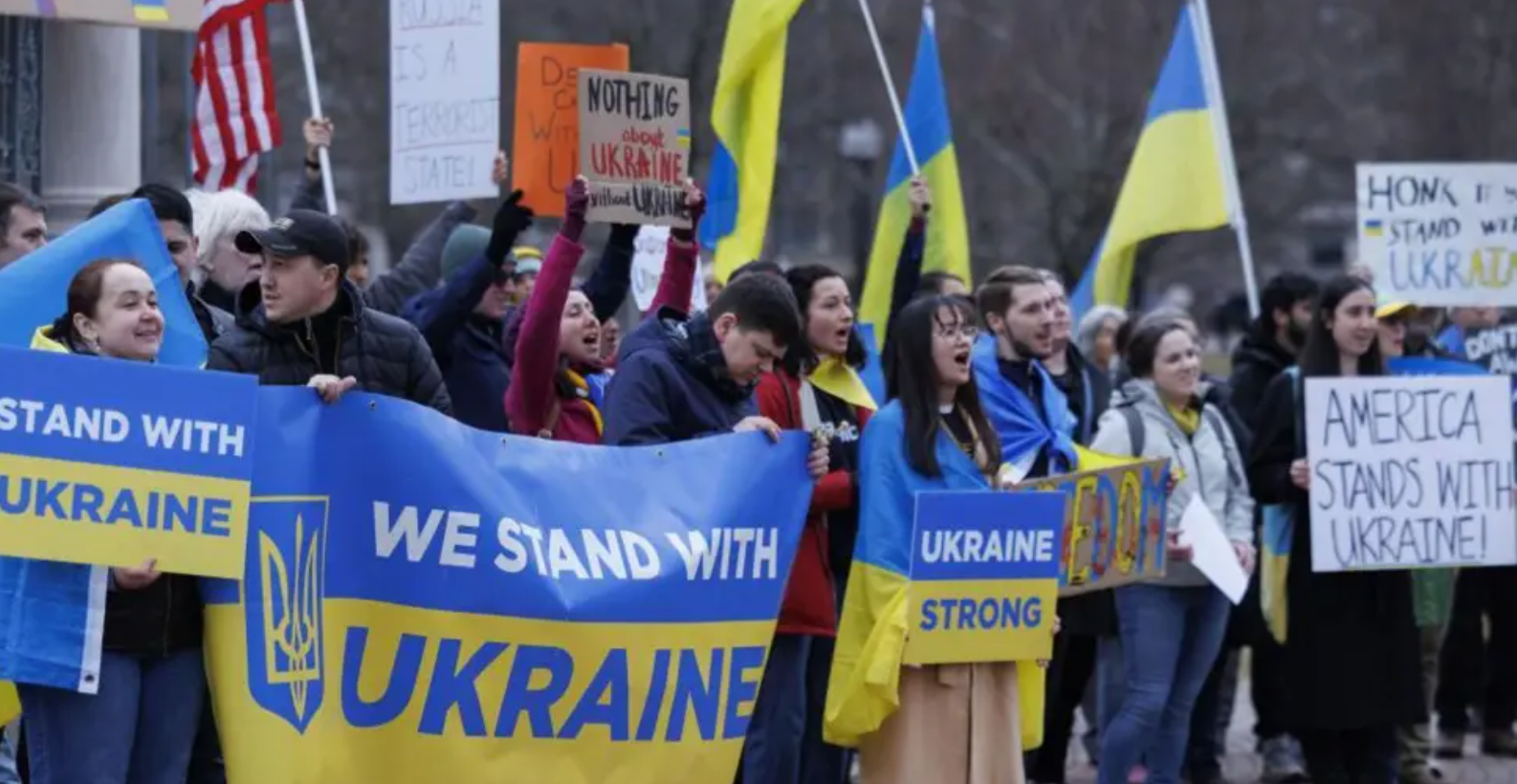
In the wake of a public clash between former US President Donald Trump and Ukrainian President Volodymyr Zelensky, pro-Ukraine protests have erupted across various cities in the United States. The protests, sparked by the heated exchange, reflect growing concerns over the future of US support for Ukraine amid the ongoing war with Russia.
The confrontation between Trump and Zelensky came after Trump made controversial statements suggesting that the US should reduce its involvement in the conflict and push for a peace deal that could be favourable to Russia. Zelensky, in response, reaffirmed Ukraine’s stance on sovereignty and territorial integrity, rejecting any proposals that could see Russia gain ground. The disagreement between the two leaders has drawn sharp lines in the US political landscape, with pro-Ukraine groups rallying in response.
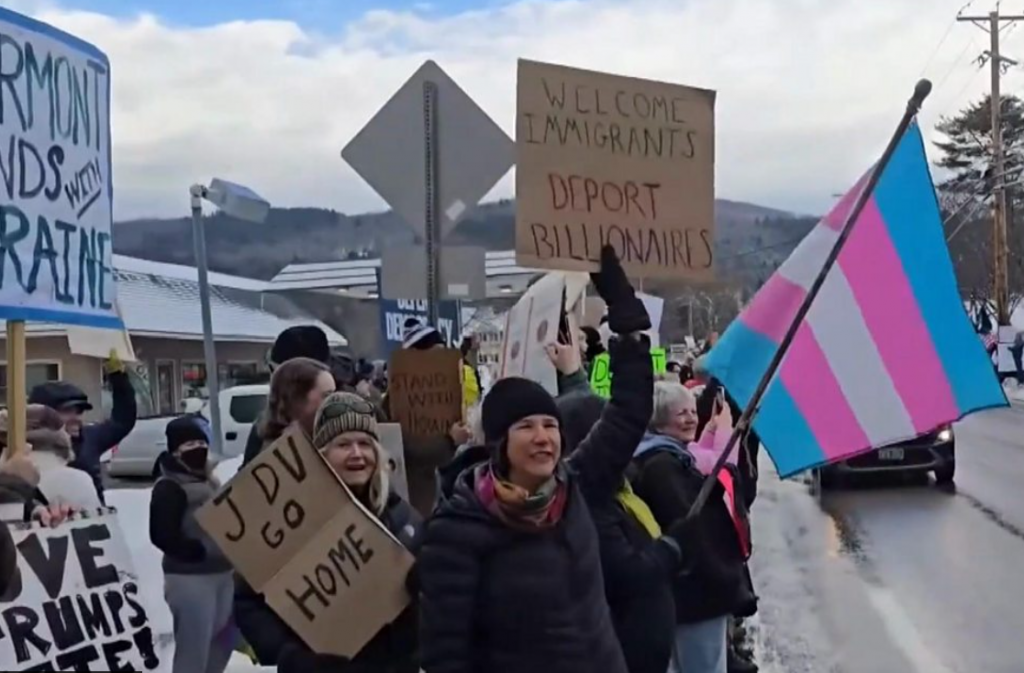
Protesters have gathered outside government buildings, urging lawmakers and the Biden administration to maintain unwavering support for Ukraine, despite the vocal criticism from Trump and his supporters. These demonstrations have seen a significant turnout, with activists carrying Ukrainian flags, chanting in support of Ukraine’s right to defend itself, and calling for continued military and humanitarian aid from the United States.
Many of the protesters view Trump’s statements as dangerous and as an indication of a shift in US foreign policy that could weaken Ukraine’s ability to resist Russian aggression. As the war in Ukraine enters its second year, public opinion in the US remains divided, but the pro-Ukraine demonstrations show that there is still strong support for Kyiv’s struggle, particularly among those who see the fight as part of a broader defence of democracy and freedom against authoritarianism.
The protests also come at a critical time, as both US lawmakers and the Biden administration weigh the future of military assistance to Ukraine. While President Joe Biden has consistently voiced support for Ukraine, Trump’s position has created a growing divide within American politics, particularly as he prepares for a potential run in the 2024 election.
The protests highlight the mounting pressure on US politicians to take a firm stance on Ukraine, as the American public’s views on the war and their country’s involvement evolve. As the debate rages on, it remains clear that the issue of Ukraine will continue to play a central role in US politics, influencing not only international relations but also domestic policy discussions in the months to come.
About The Author