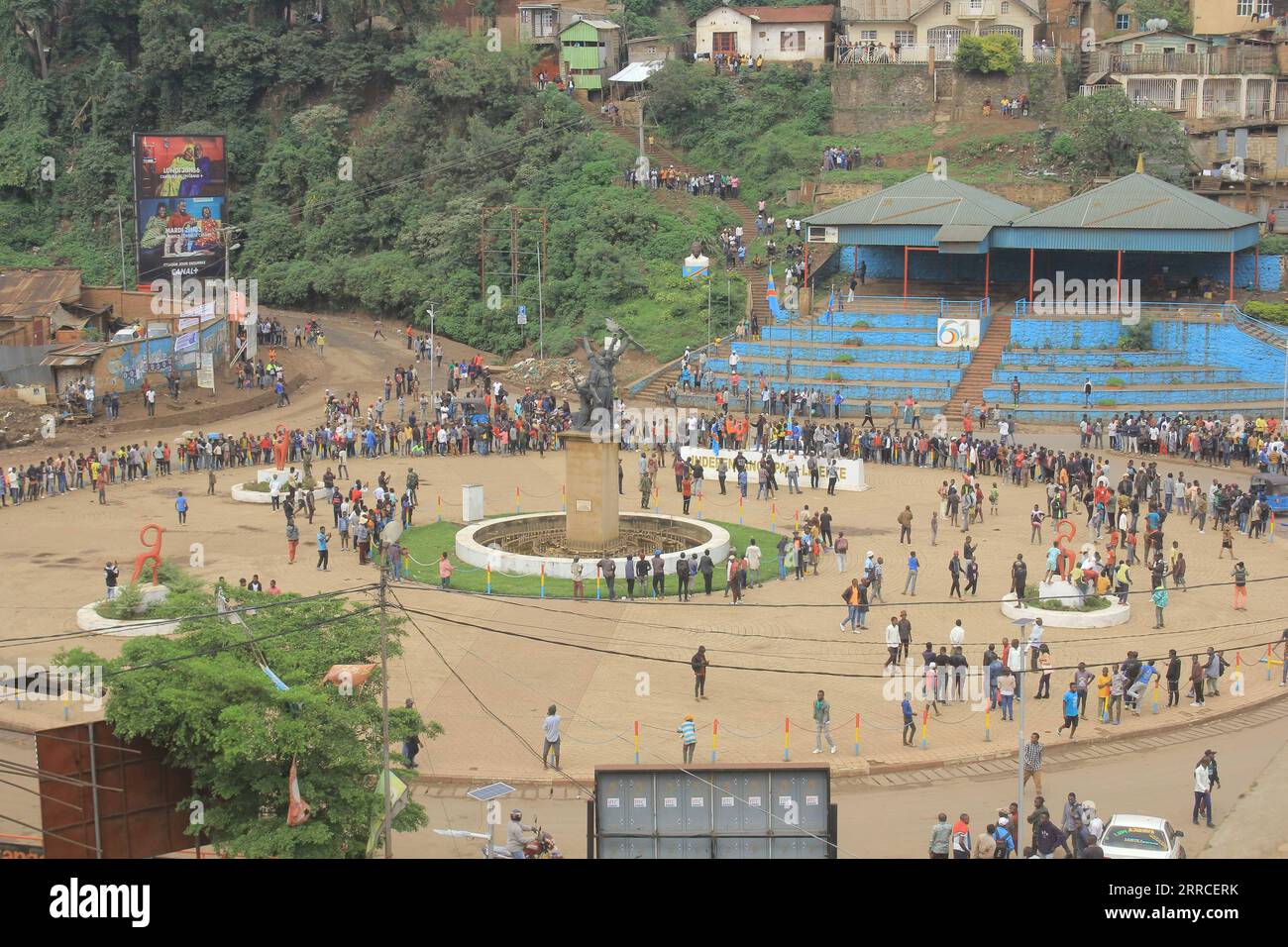
In the Democratic Republic of Congo (DRC), tensions continue to rise as M23 rebels and Rwandan soldiers have advanced further into the South Kivu region. After a day of uncertainty, a spokesperson from the Congolese army has confirmed that the combined forces have now reached Bukavu, the capital of South Kivu province. However, the situation remains highly fluid, and the full extent of the developments is still unclear.
The M23 rebel group, which had been active in the eastern DRC for years, has intensified its military actions in recent weeks. Their movement through the region, alongside Rwandan troops, has raised serious concerns for both national security and regional stability. The involvement of Rwandan soldiers in the conflict has further complicated the situation, as tensions between the DRC and Rwanda have been escalating for some time.
Bukavu, a major urban centre in the South Kivu province, is now at the centre of these growing hostilities. As one of the key cities in the eastern DRC, its capture could mark a significant milestone for the M23 rebels and Rwandan forces, who have been seeking to expand their control over the region. The presence of the M23 group in this area also heightens the risk of widespread violence and civilian displacement, adding to the already dire humanitarian crisis in the region.
Despite the army spokesperson’s confirmation, the situation remains confusing. Local reports indicate that there have been mixed accounts of the military’s response, with some sources suggesting that Congolese forces are preparing for intense fighting to defend the city, while others report confusion about the exact positions of the armed groups.
This latest development follows a series of clashes between Congolese military forces, M23 rebels, and Rwandan troops in the past weeks. The international community, including the United Nations, has expressed grave concern over the rising conflict, particularly regarding the humanitarian impact on the civilian population. Thousands have already been displaced, and the threat of further escalation looms large.
As the situation continues to unfold, the DRC government has called for international support in addressing the security crisis and the growing regional instability. Diplomatic efforts are underway to try and negotiate a ceasefire, but the involvement of multiple armed groups with differing objectives makes finding a resolution challenging. The presence of foreign forces in the region only adds to the complexity, raising questions about the true motivations behind their involvement and the potential for peace in the region.
The situation in Bukavu remains tense, and as armed groups move through the city, the people of South Kivu face an uncertain future. With both the Congolese government and international observers closely monitoring the developments, the coming days could prove pivotal in determining the direction of the conflict in eastern DRC.
About The Author