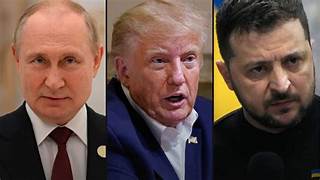
As the war in Ukraine drags on with no clear end in sight, the world remains on edge, watching as both sides endure heavy losses and international efforts to broker peace intensify. The global community is anxiously waiting for a resolution, and many are hopeful that a ceasefire or peace agreement might soon bring an end to the violence that has ravaged Eastern Europe. However, the path to peace is fraught with challenges, with numerous political, military, and diplomatic hurdles to overcome.
While there is speculation on how the war might eventually conclude, former US President Donald Trump’s proposed plans for what comes next after the war’s end have drawn attention for their radical nature. Known for his unorthodox approach to international relations, Trump’s vision for the future is much more controversial than the standard diplomatic responses that many have come to expect.
Trump has consistently advocated for a radically different approach when it comes to Ukraine and its future relationship with Russia, NATO, and the West. His proposals suggest a dramatic shift in the balance of power and global alliances, raising concerns over the long-term implications for international security. Many have questioned whether such a bold strategy could lead to greater instability or open the door to new conflicts, while others argue that it is a necessary step towards redefining global power structures and ensuring US interests are at the forefront.
One key element of Trump’s post-war plan is his desire to reset the United States’ relationships with both Russia and Europe. Unlike many of his predecessors, who have sought to isolate Russia or impose heavy sanctions, Trump has suggested that the US should focus on negotiating directly with Moscow, aiming for a new level of cooperation between the two nations. Some argue that such a shift could create an opportunity for de-escalation in Eastern Europe, but others warn that it could embolden Russia and undermine efforts to hold it accountable for its actions in Ukraine.
Moreover, Trump’s stance on NATO has also caused a stir. In his vision for the future, Trump has repeatedly questioned the relevance of the alliance and its role in European security. While NATO has long been a cornerstone of Western defence, Trump’s calls for a reduced US commitment to the alliance and a more transactional approach to its obligations have raised concerns about the future of transatlantic unity.
As the war in Ukraine continues to shape the geopolitical landscape, the former president’s perspective on the post-war world is a reminder that any peace agreement or diplomatic settlement will have profound implications. Trump’s proposals, while bold and unorthodox, challenge the prevailing norms of diplomacy and offer a glimpse into a future that could look drastically different from the one we envision today.
About The Author