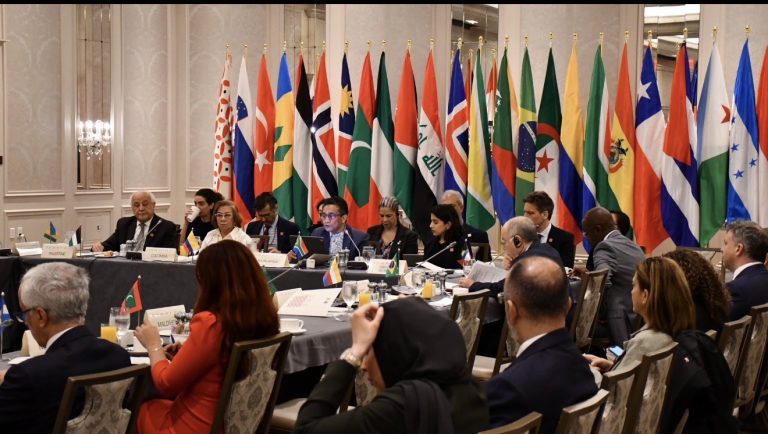
At the last EU Defence Summit, EU leaders approved new defence spending projects that aim to improve the bloc’s military readiness and capabilities, which is a major development for European security. In the face of escalating geopolitical threats, especially from Russia and other state actors, the meeting represented a turning point in Europe’s efforts to create a more independent and robust defence framework.
The new funding initiatives, which will allocate significant resources to modernise and enhance Europe’s defence infrastructure, are designed to ensure the EU is better equipped to respond to a range of military challenges. These initiatives include the creation of a new fund to support joint military projects, increased investments in research and development for advanced defence technologies, and initiatives to streamline defence procurement processes among member states.
This move is seen as part of the EU’s broader strategy to reduce its dependency on external powers, particularly the United States, when it comes to military security. As tensions rise with Russia over Ukraine, Europe’s push for greater defence autonomy has become increasingly urgent. By strengthening the EU’s collective defence capabilities, European leaders hope to ensure that the bloc can respond effectively to both conventional and hybrid threats.
Europe’s Backing for Kyiv Faces Resistance from Orbán
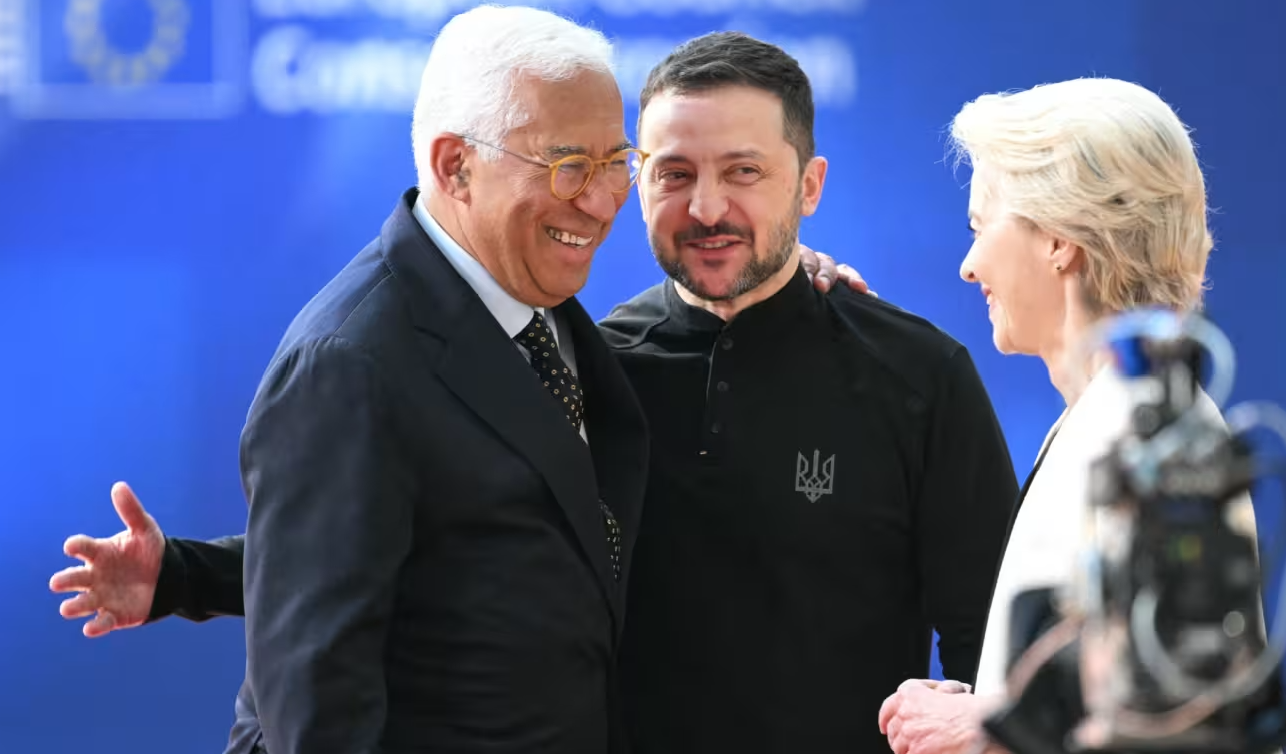
While the new funding initiatives were widely endorsed, the summit also highlighted divisions within the EU, particularly regarding the bloc’s ongoing support for Ukraine. Hungarian Prime Minister Viktor Orbán has repeatedly expressed opposition to increased EU military aid to Ukraine, citing concerns over the long-term economic and political consequences for Europe. Orbán’s resistance to further support for Kyiv has been a source of tension within the EU, with some leaders accusing Hungary of undermining the bloc’s unified stance against Russian aggression.
Orbán’s stance reflects his broader policy of seeking closer ties with Russia and his scepticism towards the EU’s approach to the conflict. Despite this, most EU member states continue to provide significant military and humanitarian assistance to Ukraine, with many leaders reaffirming their commitment to supporting Kyiv in its fight against Russian forces. Orbán’s opposition to further backing for Ukraine has created friction within the EU, raising questions about the future cohesion of the bloc on this critical issue.
Trump Turns US-European Relations on Their Head
Adding to the complex geopolitical landscape is the shifting dynamics between the United States and Europe, particularly under the influence of former US President Donald Trump. Trump’s recent comments and rhetoric have further strained US-European relations, with the former president turning many of the established norms of transatlantic diplomacy on their head.
Trump has continued to criticise Europe for its handling of defence spending and its reliance on the US for military security. His criticism has been especially pointed in light of the EU’s growing ambitions to strengthen its own military capabilities. Trump’s stance has led to growing tensions, with European leaders expressing frustration over his earlier calls for the EU to do more for its own security, even as they navigate the challenges posed by Russia’s invasion of Ukraine.
While President Joe Biden’s administration has worked to rebuild US-EU relations, particularly in the context of the war in Ukraine, Trump’s influence continues to be felt in political circles, with many in Europe wary of a potential return to his “America First” policies. This uncertainty about future US leadership has further fuelled Europe’s push for more independent defence capabilities, as EU leaders seek to ensure that they are not overly dependent on the US for security in the long term.
Looking Ahead: European Defence Autonomy
As the EU leaders endorse these new defence funding initiatives, the focus now turns to the practical implementation of these plans. Europe’s ambition to strengthen its military capabilities and reduce reliance on external powers is a long-term endeavour that will require continued cooperation, investment, and political will.
The challenges posed by Orbán’s opposition, as well as the uncertain future of US-European relations, will test the EU’s resolve in achieving its defence goals. Nevertheless, the EU’s endorsement of these initiatives marks a significant step forward in its efforts to ensure a more secure and autonomous future for Europe in an increasingly uncertain global environment.
About The Author