The question of whether the United States can “switch off” Europe’s weapons is becoming increasingly relevant as tensions rise between the West and Russia, particularly in the wake of the ongoing conflict in Ukraine. Europe’s reliance on the US for military support, including weapons, defence systems, and strategic direction, has been a defining feature of the transatlantic alliance since World War II. However, as global security dynamics shift, many are beginning to ask whether this reliance is sustainable in the long term, and what would happen if the US were to alter its commitment to Europe’s security.
The US and Europe’s Defence Dependency
Europe has long relied on the United States for its military strength, especially under the framework of NATO, the collective defence alliance established in 1949. The US contributes a significant portion of NATO’s military resources, including nuclear deterrence, advanced weapons systems, and strategic command. The US also provides critical support in terms of intelligence, logistics, and military training.
In the event of a major conflict, the US military would play a crucial role in reinforcing European defence, whether through air superiority, missile defence systems, or logistical support. However, Europe’s increasing reliance on American military assets, particularly high-tech weapons and defence systems, raises the question: what if the US were to withdraw or restrict its involvement in Europe’s security?
Potential Scenarios of the US “Switching Off” Europe’s Weapons
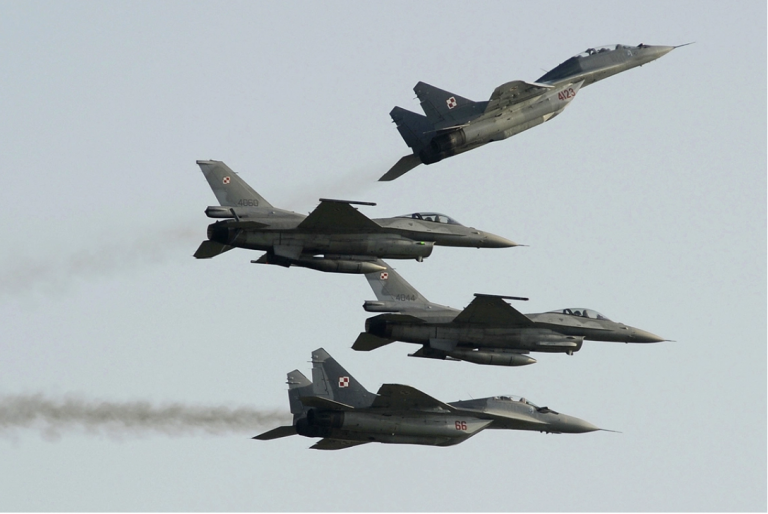
- Disruption of Military Support: The most immediate impact of the US reducing its military commitment to Europe would be a disruption in the supply and maintenance of weapons systems. For example, European nations rely on US-made weapons like fighter jets (F-35s), helicopters, missiles, and nuclear capabilities. If the US were to cut or limit these supplies, it would leave Europe with significant gaps in its military readiness. NATO’s interoperability would also be compromised, as US and European military forces are integrated to function as a single cohesive unit.
- Strategic Autonomy and Nuclear Deterrence: One of the key areas of concern is nuclear deterrence. The US has long provided NATO with a nuclear umbrella, with the presence of US nuclear weapons stationed in various European countries. If the US were to pull back its nuclear commitment, Europe would face pressure to develop its own deterrence capabilities or rely more heavily on other nuclear powers, such as France or the UK. However, this would take years and substantial investment, while also raising tensions with countries like Russia and China.
- Shift Towards European Self-Sufficiency: If the US were to reduce its involvement in European defence, it could prompt the European Union to accelerate efforts towards greater military independence. The EU has already made strides in developing its own defence capabilities, with projects such as the European Defence Fund and Permanent Structured Cooperation (PESCO) aimed at strengthening Europe’s military autonomy. However, the EU’s capacity to match the US in terms of military power is still limited, and Europe would need to invest heavily in new technologies, infrastructure, and defence coordination to replace US capabilities.
- Political and Strategic Fallout: A decision by the US to reduce or “switch off” its weapons support to Europe would not only have military implications but would also trigger a political crisis. NATO’s cohesion would be challenged, and European countries may look for alternative alliances, potentially seeking closer ties with Russia, China, or other global powers. This could lead to a realignment of global power dynamics, with Europe becoming more fragmented and less unified in its approach to security.
Europe’s Response: Moving Toward Greater Independence?
In recent years, Europe has been grappling with the notion of “strategic autonomy,” a term used to describe the EU’s desire to reduce its dependence on external powers, particularly the US, for defence and security. The European Commission has called for greater investment in defence and has taken steps to strengthen the European Defence Union. However, this ambition faces numerous challenges, including the complexity of coordinating military efforts among diverse member states, differences in defence spending, and the lack of a unified European military force.
Europe has made some progress in developing its own defence technologies, including advancements in missile defence, cyber capabilities, and drones. Still, it would take years, if not decades, to fully replace the US’s military contribution. Furthermore, the lack of a unified military command structure in Europe remains a significant hurdle.
The Role of NATO
NATO remains the cornerstone of transatlantic security, and even if the US were to reduce its involvement, NATO could still function with the remaining European allies taking on a more prominent role. However, without the US as a central player, NATO’s ability to act decisively would be diminished, and Europe would be forced to take on a larger share of the responsibility for its own defence.