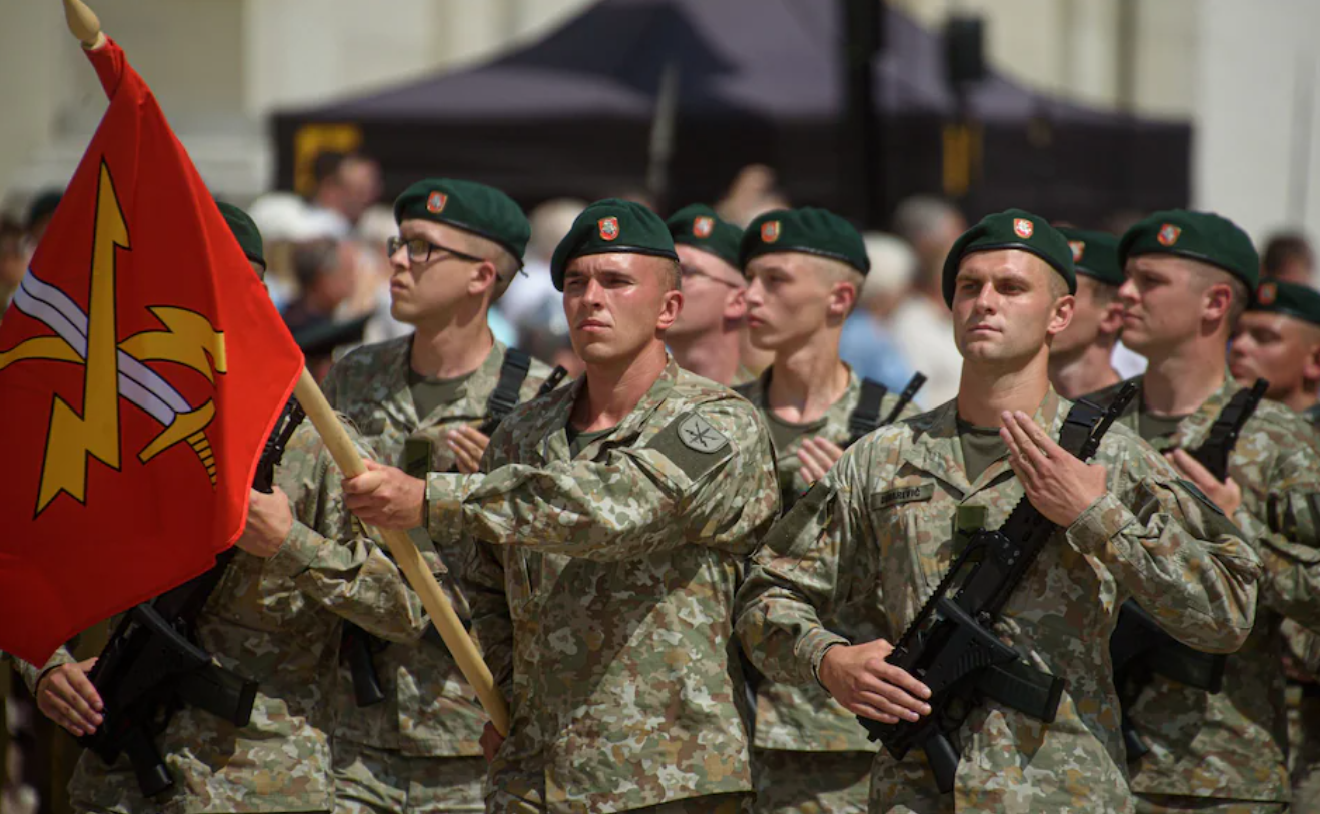
As tensions between Russia and the West continue to escalate, both Poland and Lithuania are reportedly considering leaving key arms control treaties in response to growing fears of potential Russian aggression. The two countries, which share land borders with Russia, are increasingly concerned that they could become the front line if conflict were to break out in the future.
Poland and Lithuania, both members of NATO and the European Union, have been vocal in their concerns about Russia’s military expansion, particularly in the wake of Russia’s ongoing invasion of Ukraine. With the situation in Eastern Europe remaining volatile, there are growing fears that Russia could attempt to expand its influence or engage in further military actions in neighbouring countries.
The treaties that both Poland and Lithuania are considering withdrawing from include those that restrict the deployment of certain types of weapons on European soil, such as the 1987 Intermediate-Range Nuclear Forces (INF) Treaty, which bans ground-launched ballistic and cruise missiles with ranges between 500 and 5,500 kilometres. The growing threat from Russia’s military activities has prompted these nations to reconsider the limits on their own defences.
The fear of a potential invasion has been exacerbated by Russia’s aggressive military actions and rhetoric, as well as its disregard for international norms. With NATO’s eastern flank directly bordering Russia, both Poland and Lithuania feel increasingly vulnerable to Russian military capabilities, which include advanced missile systems, cyber warfare capabilities, and a larger, more well-equipped military.
Polish and Lithuanian officials have argued that withdrawing from arms control agreements would allow them to bolster their defences more effectively and ensure they are better prepared for any potential escalation of the conflict. While leaving such treaties would be a significant step, these nations argue that the growing threat from Russia leaves them with little choice but to prioritise their national security.
The broader implications of such a move could strain relations with Russia even further and complicate European security dynamics. However, many analysts believe that Poland and Lithuania’s concerns are valid given Russia’s increasing militarisation and the ongoing instability in Ukraine.
As the situation in Eastern Europe continues to evolve, the prospect of Russia’s neighbours re-evaluating their participation in arms treaties highlights the shifting security landscape in the region. With the fear of Russian expansion becoming more pronounced, the decision by Poland and Lithuania to reconsider their commitments could be seen as a pivotal moment in Europe’s defence posture.
About The Author