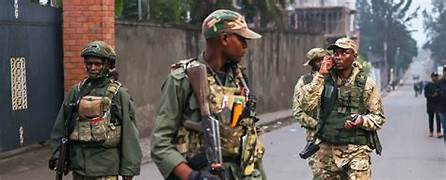
The ongoing conflict in the eastern Democratic Republic of Congo (DRC) has taken a dramatic turn, with heavy fighting escalating in recent weeks. The M23 rebel group, which has been active in the region for years, has renewed its offensive, capturing key towns and further destabilising the already volatile area.
Recent Developments
On February 5, 2025, M23 rebels seized control of Nyabibwe, a strategic town in the South Kivu province. This move followed intense clashes with government forces, and comes despite prior claims of a ceasefire by the rebel group. The capture of Nyabibwe has raised fears that the rebels could now be targeting Bukavu, the capital of South Kivu, which could significantly worsen the situation in the region.
The Congolese government has condemned the rebel actions, accusing the M23 of breaking the ceasefire agreement. The renewed violence has drawn sharp criticism from international observers and humanitarian organisations, who warn that the fighting is exacerbating the already dire humanitarian crisis in eastern Congo.
Humanitarian Impact
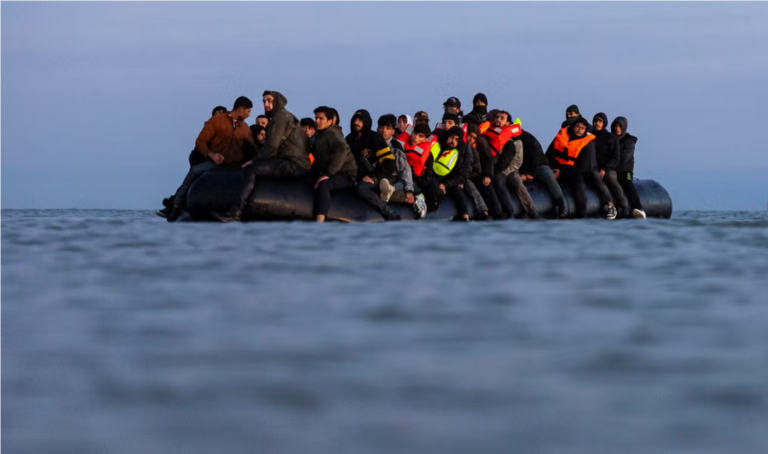
The conflict has displaced hundreds of thousands of people in recent months. According to recent reports, over 480,000 individuals were forced from their homes in January 2025 alone, with the total number of displaced people in the region now exceeding 5.6 million. Refugee camps are overcrowded, and access to basic necessities such as food, clean water, and medical care remains severely limited.
The violence has also led to widespread destruction of infrastructure, further isolating affected communities and making it even harder for humanitarian aid to reach those in need. The people of South Kivu, North Kivu, and Ituri continue to bear the brunt of the conflict, living in constant fear as armed groups vie for control over key territories.
International Response and Regional Diplomacy
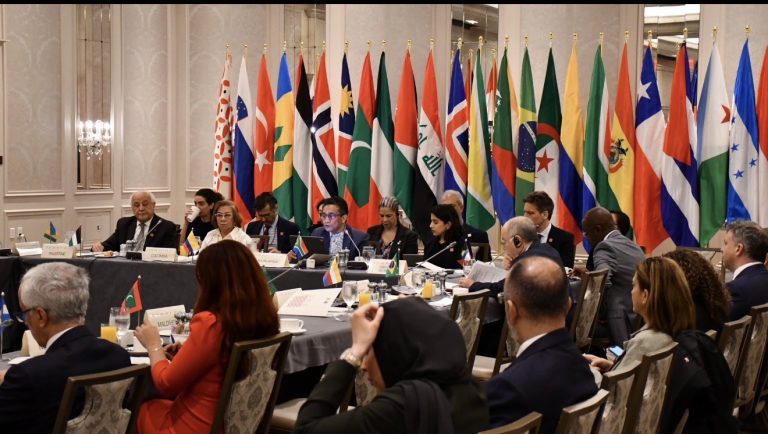
In response to the rising tensions, the DRC’s President Félix Tshisekedi is set to attend an emergency summit with other regional leaders. The summit will focus on the escalating conflict and efforts to broker peace in the region. The international community remains engaged, with diplomatic pressure mounting on neighbouring countries, especially Rwanda, which is accused of supporting the M23 rebels.
Meanwhile, calls for increased humanitarian aid to address the mounting crisis are intensifying. Aid agencies are urging the international community to act swiftly to provide relief to the millions affected by the violence.
The Path Ahead
The future of the DRC’s eastern region remains uncertain, with the M23 rebels continuing to make territorial gains and the humanitarian situation worsening by the day. The upcoming summit and ongoing diplomatic efforts will play a crucial role in determining the path forward. However, without a meaningful resolution to the conflict, the suffering of innocent civilians is likely to continue, further deepening the crisis in one of Africa’s most resource-rich yet conflict-ridden nations.
As the international community focuses on diplomatic and humanitarian responses, the people of eastern DRC will continue to face the harsh realities of war, displacement, and uncertainty in their daily lives.
About The Author